Best Skin Care Routine for Men With Oily Skin
Best Skin Care Routine for Men With Oily Skin
Walking into a meeting with a forehead that shines brighter than the room lights is a common frustration. If you are constantly blotting your face or dealing with mid-day grease, you aren’t alone. Men generally have higher sebum production than women, making oil control a specific challenge. A solid routine doesn’t need to be complicated, just consistent.
Featured Resources:
- Read our complete Men’s Skin Care Guide.
- Nutrition plays a huge role in oil production—try our Free Diet Plan Generator.
Quick Answer: The Daily Plan
| Time of Day | Step 1: Cleanse | Step 2: Treat | Step 3: Hydrate & Protect |
| Morning | Foaming Cleanser (Salicylic Acid) | Niacinamide Serum (Reduces oil) | Matte Moisturizer + SPF 30 |
| Evening | Gel Cleanser (Remove grit) | Exfoliant (2x/week only) | Oil-Free Gel Moisturizer |
Pro Tip: Never skip moisturizer. If you dry your skin out completely, your body panics and produces more oil to compensate.
Why Is My Skin So Oily?
Before fixing the issue, it helps to know why it’s happening. Your sebaceous glands produce oil to keep your skin soft and waterproof. However, high testosterone levels, genetics, and environmental factors can send these glands into overdrive.
If you live in humid areas like Florida or Queensland, the moisture in the air prevents sweat from evaporating, making the oil feel heavier. Conversely, aggressive HVAC systems in London or New York offices can dehydrate your skin, triggering an oil-production response. The goal of the best skin care routine for men with oily skin is balance, not total eradication.
The Morning Routine: Defend and Matte
Your morning regimen prepares your face for the pollutants and stress of the day.
Step 1: The Right Cleanser
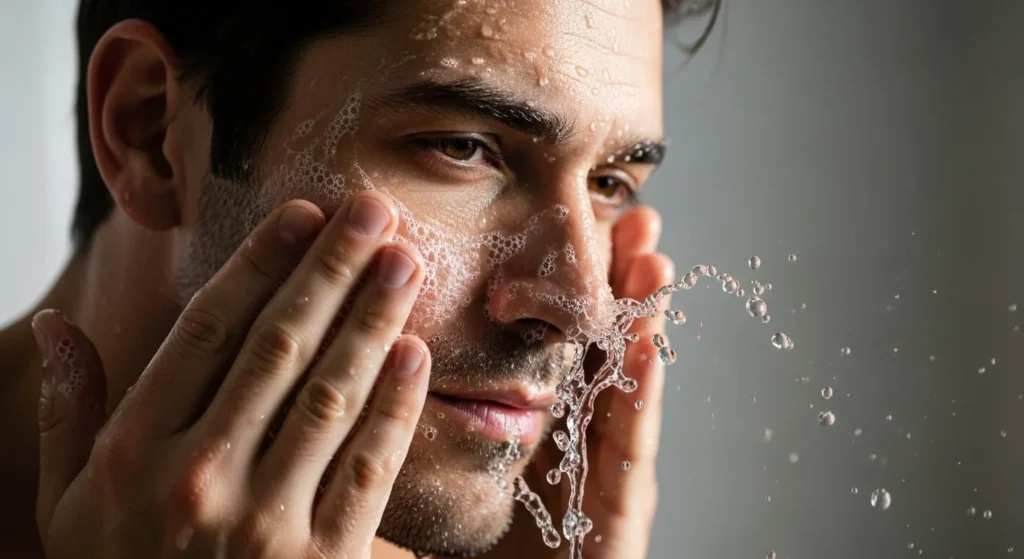
Splash some lukewarm water on your face. Hot water strips essential oils and irritates the skin. Use a foaming cleanser that contains Salicylic Acid (BHA). This ingredient dives deep into pores to dissolve oil.
Step 2: Serums (Optional but Effective)
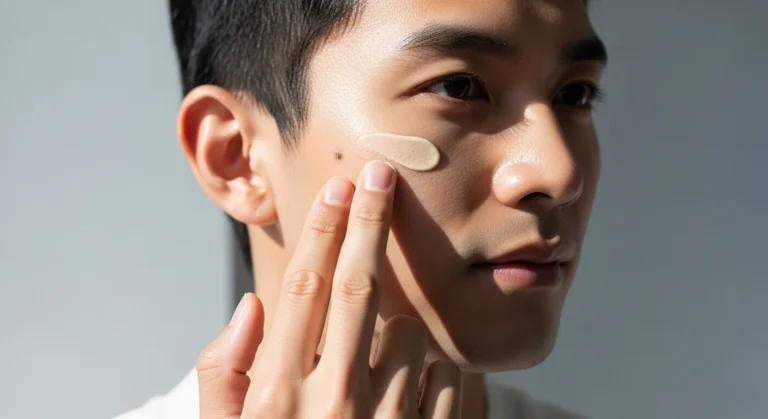
If you want to level up, apply a Niacinamide serum. This form of Vitamin B3 is fantastic for regulating oil production and shrinking the appearance of pores. It’s lightweight and disappears into the skin instantly.
Step 3: Moisturize and SPF
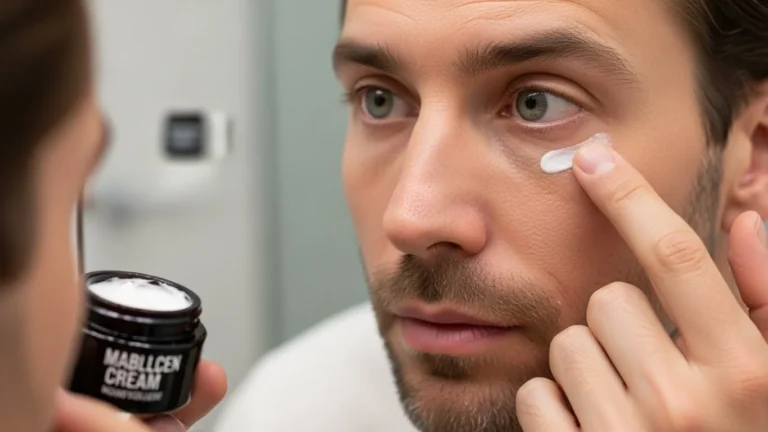
Many men skip this because they fear adding more “grease.” This is a mistake. Look for terms like “non-comedogenic” (won’t clog pores) and “oil-free.” You need a lightweight gel moisturizer.
If you are heading out—whether it’s a cloudy day in Seattle or a sunny one in Sydney—finish with SPF. UV rays damage skin, leading to premature aging and rough texture.
The Evening Routine: Repair and Reset
Your face accumulates dirt, exhaust fumes, and sweat throughout the day. Nighttime is for deep cleaning.
Double Cleanse if Necessary
If you work outdoors or wear heavy sunscreen, wash your face twice. The first wash removes the surface grime; the second cleans the pores.
Exfoliation Strategy
Two times a week, swap your regular wash for a scrub or a chemical exfoliant. This removes dead skin cells that trap oil and cause blackheads.
- Warning: Do not scrub every day. It will damage your skin barrier.
Night Hydration
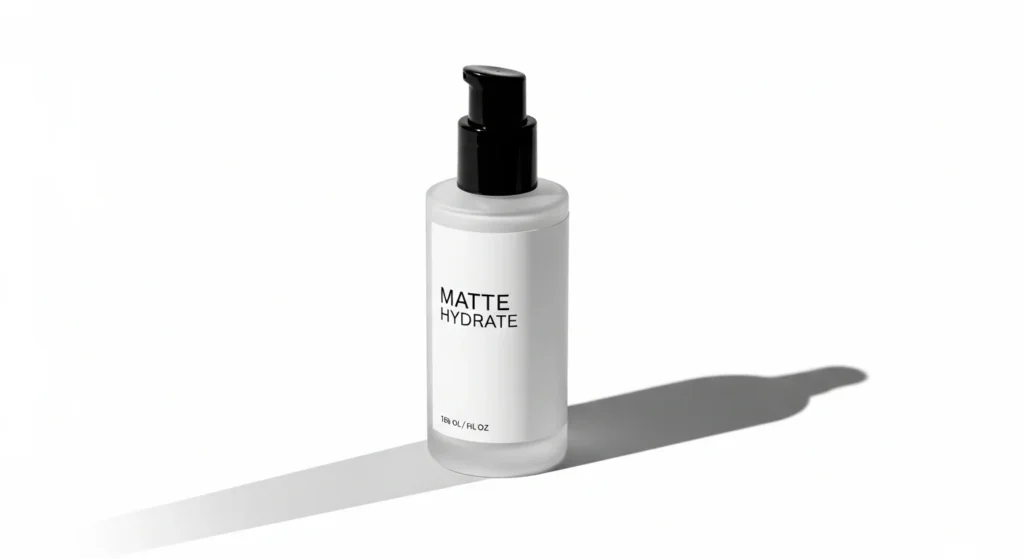
Use a slightly richer gel-cream at night. Your skin repairs itself while you sleep, and it needs hydration to do that effectively.
Check out more grooming tips in our Men’s Health & Grooming section.
Product Recommendations: Budget vs. Premium
You don’t need to break the bank to get clear skin, but sometimes paying for quality ingredients is worth it.
The Budget-Friendly Kit (Under $40 Total)
- Cleanser: CeraVe Foaming Facial Cleanser (widely available in US/Canada).
- Treatment: The Ordinary Niacinamide 10% + Zinc 1%.
- Moisturizer: Neutrogena Hydro Boost Water Gel.
The Premium Kit (Investment Quality)
- Cleanser: Kiehl’s Ultra Facial Oil-Free Cleanser.
- Treatment: Aesop Amazing Face Cleanser (popular in Australia/UK).
- Moisturizer: La Mer The Moisturizing Cool Gel Cream.
Diet and Lifestyle Factors
Topical products can only do so much. Your internal health reflects on your face.
- Sugar and Dairy: High glycemic foods can spike insulin, which increases oil production.
- Hydration: Drinking water doesn’t “wash away” oil, but dehydration causes skin to produce more sebum.
- Stress: High cortisol levels trigger acne.
Struggling to eat right? Use our Free Diet Plan Generator to balance your meals.

Safety and Who Should Avoid Certain Products
While the routine above is generally safe, powerful ingredients require caution.
- Sensitive Skin: If your skin turns red or burns after using Salicylic acid, switch to a gentle cleanser like Cetaphil.
- Retinol Users: If you introduce Retinol for anti-aging, use it only at night and never mix it with Vitamin C or physical scrubs at the same time.
- Accutane Users: If you are on prescription medication for acne, consult your dermatologist before adding active acids to your routine.
Frequently Asked Questions (FAQs)
1. How often should I wash my face if I have oily skin?
You should wash your face twice a day—morning and night. Washing more frequently can actually backfire; stripping the skin too often signals your body to produce even more oil to replace what was lost.
2. Can I skip moisturizer if my face feels greasy?
No, skipping moisturizer is a common myth. Dehydrated skin is different from dry skin. If your skin lacks water, it produces more oil to compensate. Use a water-based, oil-free gel moisturizer to hydrate without clogging pores.
3. Does diet really affect oily skin?
Yes, diet plays a role. Foods with a high glycemic index (sugary snacks, white bread) and dairy products have been linked to increased sebum production in some men. A balanced diet rich in omega-3s can help regulate oil.
4. Is the sun good for drying out oily skin?
While the sun might temporarily dry out pimples, UV rays cause long-term damage and can thicken the outer layer of the skin, leading to blocked pores and more breakouts later. Always use a matte sunscreen.
5. What ingredients should I look for in products?
Look for Salicylic Acid (BHA), Niacinamide, Hyaluronic Acid, and Clay (Kaolin or Bentonite). These ingredients help dissolve oil, regulate production, and hydrate without heaviness.
6. Should I use a toner?
Toners are not strictly necessary, but they can be helpful for very oily skin. Look for an alcohol-free toner with witch hazel or tea tree oil to help remove residual dirt and tighten pores after cleansing.
7. How do I get rid of blackheads on my nose?
Blackheads are oxidized oil and dead skin. Use a chemical exfoliant with Salicylic Acid (BHA) 2-3 times a week. Avoid aggressive pore strips, as they can stretch pores and cause irritation.
8. Can stress make my skin oilier?
Absolutely. Stress releases cortisol, a hormone that binds to sebaceous glands and ramps up oil production. This is why many men experience breakouts during high-pressure periods at work.
9. Is oily skin better for aging?
There is a silver lining: oily skin tends to stay moisturized better than dry skin, which can delay the formation of fine lines and wrinkles. However, you still need sunscreen and antioxidants to prevent sagging and deep wrinkles.
10. What is the difference between “oil-free” and “non-comedogenic”?
“Oil-free” means the product contains no added oils. “Non-comedogenic” means the formula has been tested and proven not to clog pores. For oily skin, try to find products that claim both.
11. Can I use face oils if I have oily skin?
Surprisingly, yes. Some oils, like Jojoba oil or Squalane, mimic human sebum and can trick the skin into producing less of its own oil. However, avoid heavy oils like coconut oil or mineral oil.
12. How long does it take to see results from a new routine?
Skin cycles take about 28 days. You might see immediate improvements in shine control, but real changes in texture and acne reduction usually take 4 to 6 weeks of consistent application.
Conclusion
Managing a shiny complexion comes down to consistency and ingredients. The best skin care routine for men with oily skin isn’t about harsh scrubbing; it’s about gentle cleansing, smart exfoliation, and lightweight hydration. By following the steps outlined above, you can reduce shine, minimize pores, and improve your overall skin health.
Further Reading & Resources
- Routine Basics: Dr. With You – Men’s Skin Care Guide
- Internal Health: Dr. With You – Free Diet Plan Generator
- Grooming Tips: Dr. With You – Men’s Health & Grooming